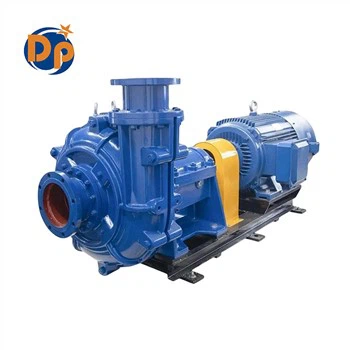
Basement Sewage Pump
Product Details
Types of Basement Sewage Pump
Submersible Sewage Pump
Submersible pumps use a direct connection between the water pump and the motor. Small submersible pumps even install the water pump impeller directly on the motor shaft, eliminating many connected parts. The overall size of the pump is shortened, the material consumption is less, and the weight is reduced.
Submersible pumps are easy to install, there is no need to build a pump room, and the civil construction area is small, which reduces infrastructure investment. At the same time, the submersible pump is directly submerged into the water and only requires ground construction of electrical control equipment, making it easy to use and maintain.

Self-priming sewage pump
The self-priming sewage pump is an instrument that generates negative pressure through centrifugal force to pump the liquid in the pump body to the outlet. It has the advantages of strong self-priming ability, wide application range, and easy maintenance. The self-priming sewage pump adopts the axial return external mixing type, and through the unique design of the pump body and impeller flow channel, it can suck and discharge liquids containing large solid particles and long fiber impurities without installing a bottom valve and water diversion. There is a liquid storage chamber in the pump body, which communicates with the pump working chamber through the upper return hole and the lower circulation hole, forming an axial return external mixing system of the pump.

Main functions of basement sewage pump
Sewage Discharge
The core function of a basement sewage pump is to discharge accumulated sewage in the basement (such as wastewater from bathrooms, kitchens, washing machines, etc.) to the sewage pipes outside the building or the municipal sewage system.
Through continuous drainage, water accumulation or flooding in the basement is prevented, and the structural safety and use environment of the building are protected.
Treatment of sewage containing solid impurities
Basement sump pumps are capable of handling sewage containing smaller solids such as paper scraps, hair, food scraps, etc. Certain types of sewage pumps have a non-clog design that can effectively handle these impurities and avoid clogging of the pump and drain pipes.
Some more advanced sewage pumps can handle more complex sewage components, including sludge and larger particle impurities, and are suitable for environments with larger solid impurities.
Application scenarios
Residential Basement
Many residential basements are usually equipped with toilets, washing machines, showers and other equipment, which generate a certain amount of sewage. The basement sewage pump is responsible for discharging this wastewater to the municipal sewer network or the sewage treatment system of the residential area.
Basements are prone to water accumulation, especially when it rains or if water pipes leak. Sewage pumps can be used to remove accumulated water in a timely manner to prevent flooding, mildew, corrosion and other problems in the basement.
Underground parking lot
Underground parking lots are usually located below the ground and are prone to water accumulation due to rainfall or low-lying terrain. Sewage pumps are used to drain stagnant water to keep underground parking lots dry and prevent flooding, mildew or structural damage.
Sewage from some underground parking lots contains pollutants such as grease and vehicle emissions. Sewage pumps are often used in conjunction with oil-water separation devices to prevent these contaminants from entering municipal sewage systems.
Welcome to contact with us for more information
Email: cristine@deponpump.cn
Whatsapp: +86 150 7549 4342
Sales manager:Cristine Guan
Hot Tags: basement sewage pump, made in China, China, manufacturers, factory, quotation, price list